

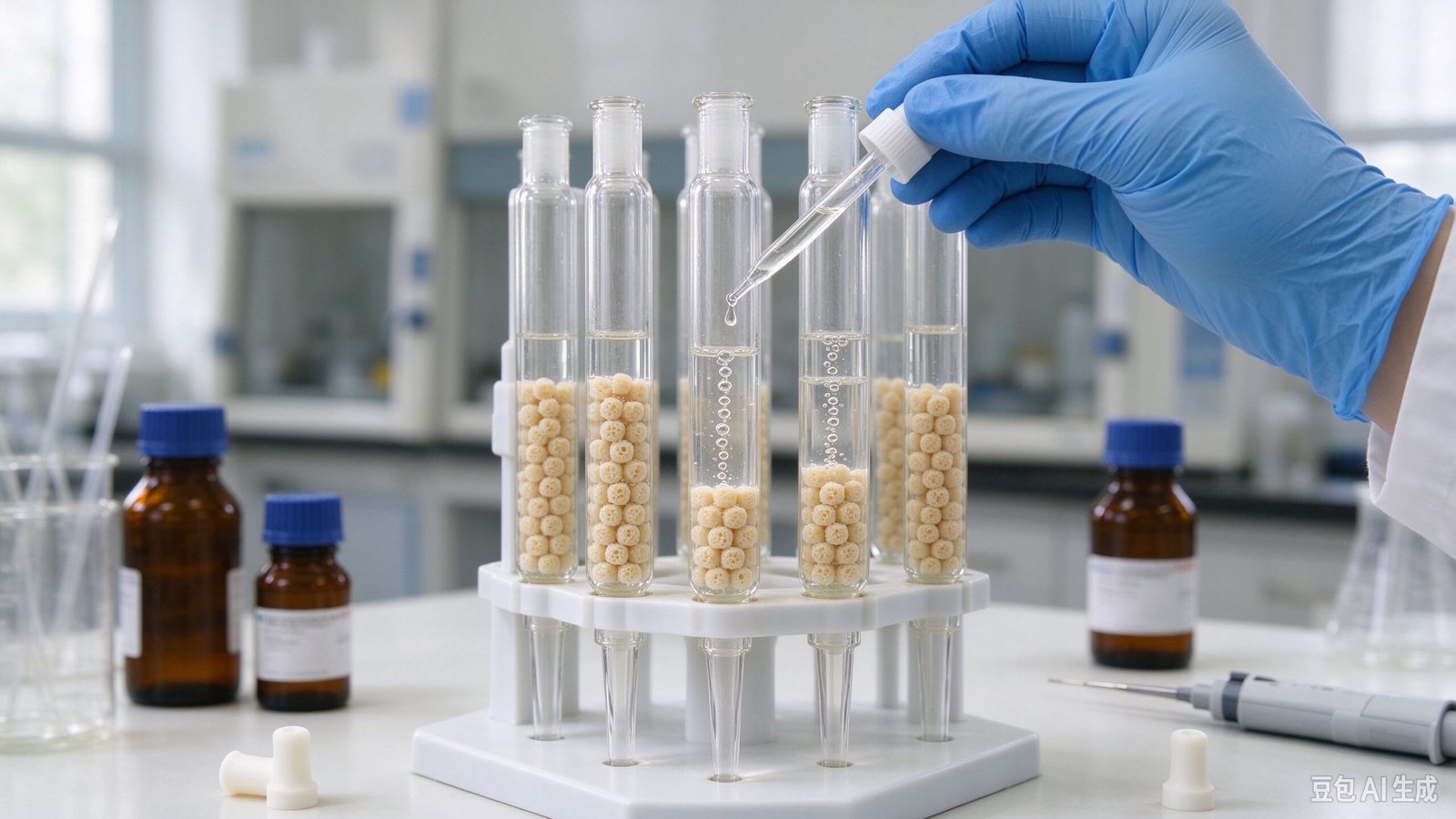
The peptide raw material market is undergoing unprecedented growth, driven by the success of GLP-1 drugs, expanding research applications, and technological advancements in synthesis. This article examines key trends shaping the industry and what they mean for peptides raw material manufacturers and buyers.
Market Size and Growth
The global peptide synthesis market is projected to reach $2.59 billion by 2031 , growing at a CAGR of 6.39% from 2026. The broader peptide therapeutics market is estimated between $47 billion and $141 billion , reflecting the enormous scale of the industry.
Key Growth Drivers
1. GLP-1 Revolution
The phenomenal success of GLP-1 receptor agonists like Semaglutide and Tirzepatide has driven massive demand for peptide raw materials. Manufacturers are racing to expand capacity to meet the needs of both research and commercial production.
2. Expanding Research Applications Beyond metabolic research, peptides are increasingly studied in:
– Oncology (targeted peptide-drug conjugates).
– Neuroscience (neuropeptide signaling).
-Infectious diseases (antimicrobial peptides).
– Regenerative medicine (tissue repair peptides).
3. Technological Advancements
– Continuous-Flow SPPS : Enables faster synthesis and lower costs.
– AI-Driven Peptide Design : Machine learning is accelerating peptide discovery.
– Green Chemistry : Environmentally friendly synthesis methods gaining traction.
4. Regulatory Evolution The FDA’s increased scrutiny on research peptides and compounding pharmacies is pushing the industry toward higher quality standards. This favors established peptides raw material manufacturers with robust compliance systems.
Challenges Facing the Market
– Supply Chain Constraints : Raw material shortages for key amino acids and reagents.
– Quality Consistency : Maintaining batch-to-batch purity at scale.
– Regulatory Uncertainty : Potential classification changes for certain research peptides.
Opportunities for Buyers
– Early Supplier Partnerships : Lock in capacity and pricing before demand peaks.
– Vertical Integration : Some companies are bringing peptide synthesis in-house.
– Geographic Diversification : Sourcing from multiple regions to mitigate risks.
What to Watch in 2027
– New entries in the GLP-1/dual agonist space.
– Expansion of peptide manufacturing capacity in the US and Europe.
– Increased adoption of third-party testing as a quality differentiator.
– Potential FDA guidance on research peptide marketing and distribution.
The peptide raw material market is dynamic and full of opportunity. Staying informed of these trends will help researchers and procurement professionals navigate the landscape effectively.
Product Disclaimer & Terms of Use
IMPORTANT NOTICE: FOR RESEARCH USE ONLY (RUO)
This product is intended exclusively for laboratory research and scientific development purposes. It is NOT a drug, food, medical device, cosmetic, or diagnostic product.