

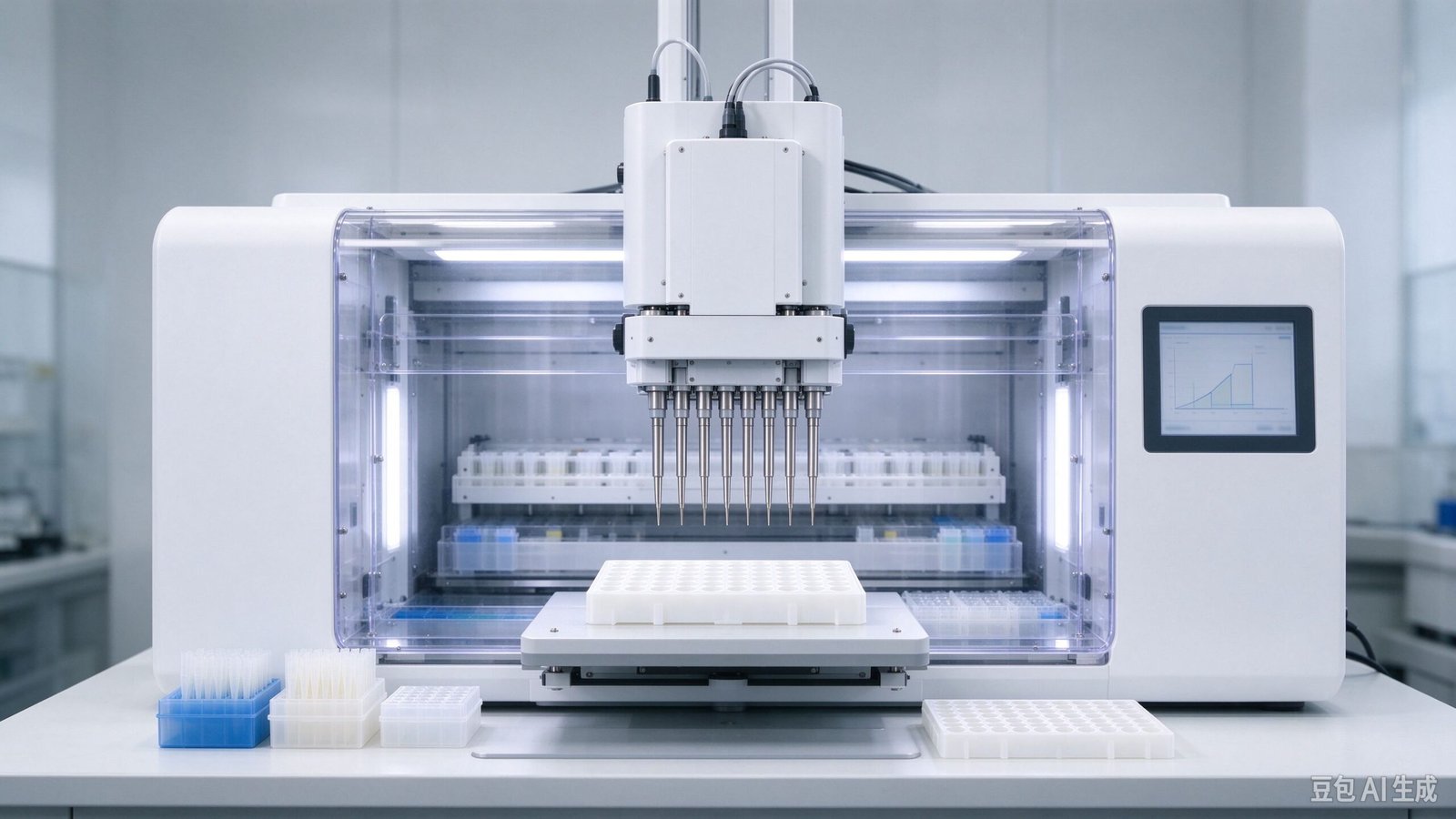
The peptide raw material manufacturing landscape is evolving rapidly, with new entrants and established players expanding capabilities to meet growing demand. This article highlights emerging peptides raw material manufacturers and trends to watch in 2026-2027.
Market Context
The peptide synthesis market is projected to reach $2.59 billion by 2031, growing at a CAGR of 6.39%. The broader peptide therapeutics market is estimated between $47 billion and $141 billion. This growth has attracted new investment and new manufacturers to the space.
Emerging Trends in Peptide Manufacturing
1. Strategic Alliances
A notable trend is the formation of strategic alliances between manufacturers to stabilize supply chains. Lupin Manufacturing Solutions and PolyPeptide Group announced a partnership in December 2025 to address growing strain in peptide production. The alliance aims to improve supply reliability at a time when market growth is outpacing existing infrastructure.
2. Capacity Expansion
Leading manufacturers are investing in capacity expansion. Continuous-flow SPPS technology is enabling faster synthesis and lower costs. New facilities are being built in the US, Europe, and Asia to meet demand.
3. Vertical Integration
Some companies are bringing peptide synthesis in-house to reduce dependency on external suppliers and improve quality control.
4. FDA Registration
More Asian manufacturers are obtaining FDA registration and cGMP certification, closing the quality gap with Western suppliers. This trend is expected to continue in 2027.
What to Look for in Emerging Suppliers
When evaluating new peptide raw material suppliers, assess:
– Certifications : GMP, ISO 9001, ISO 13485, FDA registration.
– Technical Capabilities : SPPS platforms, HPLC purification, lyophilization.
– Quality Systems : Batch-specific COAs, third-party testing options.
– Scale : Ability to handle your volume requirements.
– Track Record : References from other researchers or companies.
Regional Developments
– Asia : Chinese manufacturers continue to invest in quality systems and capacity. Some now hold FDA cGMP compliance and meet GMP standards of the EU, WHO, and ICH Q7.
– US : Domestic manufacturing is expanding, driven by supply chain security concerns and regulatory pressures.
– Europe : European manufacturers maintain high regulatory standards but face capacity constraints.
Due Diligence is Essential
While new entrants offer more options, they also introduce new risks. Always verify claims through independent research and, where possible, facility audits.
Product Disclaimer & Terms of Use
IMPORTANT NOTICE: FOR RESEARCH USE ONLY (RUO)
This product is intended exclusively for laboratory research and scientific development purposes. It is NOT a drug, food, medical device, cosmetic, or diagnostic product.