

Conducting a supplier audit is the most effective way to verify that a peptides raw material manufacturer meets your quality standards. This article provides a step-by-step audit framework for evaluating peptide raw material suppliers.
Why Audit Peptide Raw Material Suppliers?
Audits provide:
– Verification : Confirm that claims match reality.
– Risk Assessment : Identify potential quality or supply issues.
– Due Diligence : Protect your organization from liability.
– Continuous Improvement : Encourage suppliers to maintain high standards.
Pre-Audit Preparation
1. Define Audit Scope
– Which facilities will be audited?
– Which products or processes are covered?
– What standards apply (GMP, ISO, FDA)?
2. Assemble an Audit Team
– Quality assurance professional.
– Technical expert (chemist, biologist).
– Procurement representative.
– Regulatory specialist (if applicable).
3. Document Review
Before the site visit, request:
– Certificates (GMP, ISO, FDA registration).
– Quality manual and SOPs.
– COA samples.
– Facility information and organization chart.
– Previous audit reports (if available).
Audit Execution: The Site Visit
1. Opening Meeting
– Introductions and agenda review.
– Confirm scope and schedule.
– Review confidentiality agreements.
2. Facility Tour
– Check cleanliness and organization.
– Assess environmental controls (temperature, humidity).
– Verify equipment calibration records.
– Review material segregation and labeling.
– Assess gowning and hygiene procedures.
3. Quality Control Laboratory
– Review instrumentation (HPLC, MS, GC, KF).
– Check method validation documentation.
– Verify reference standard management.
– Assess data integrity (audit trails, access controls).
4. Manufacturing Operations
– Review synthesis process and control parameters.
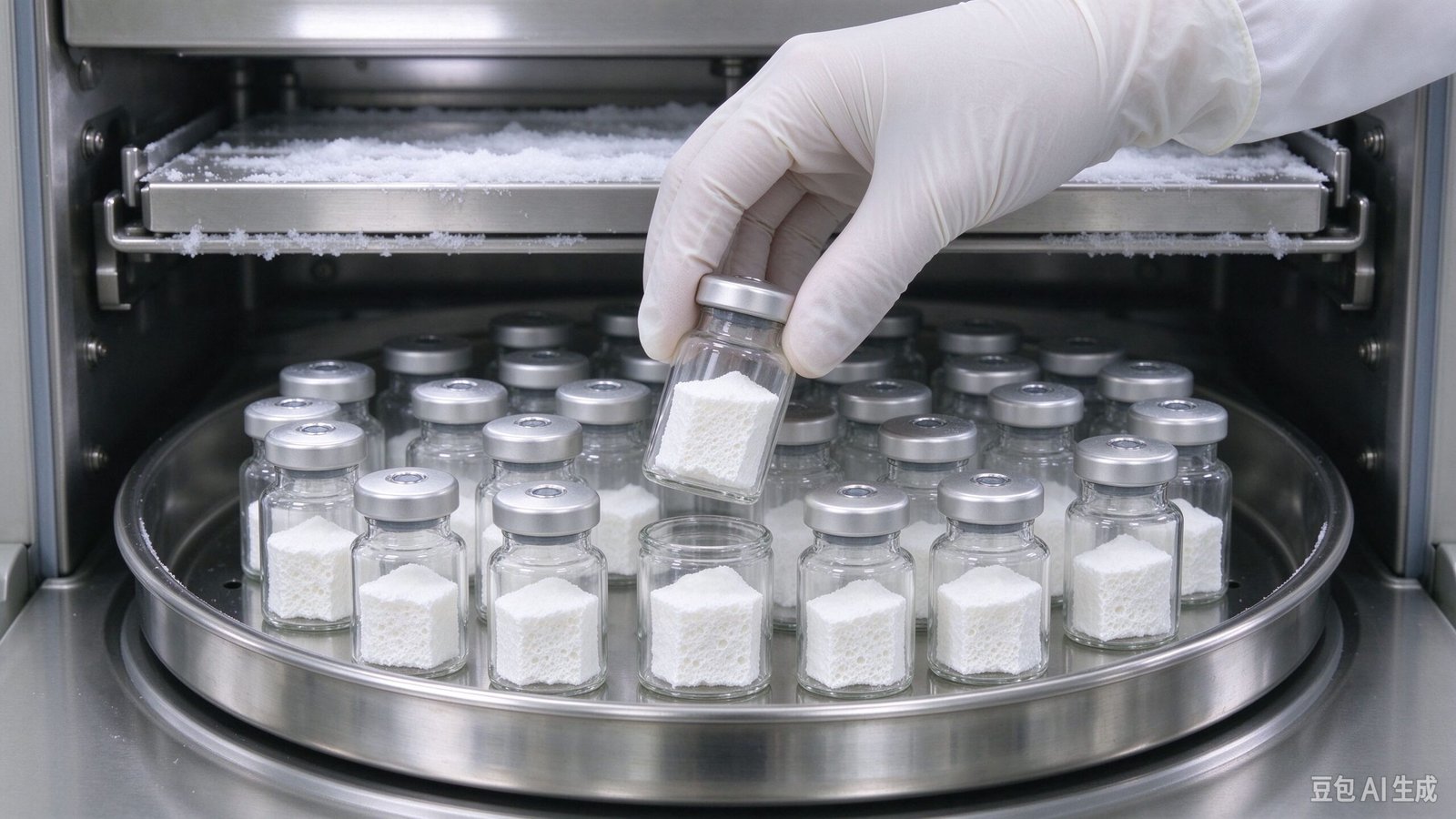
– Verify purification and lyophilization processes.
– Assess cleaning validation and cross-contamination controls.
– Review batch production records.
5. Supply Chain and Logistics
– Review raw material sourcing and qualification.
– Assess warehousing and storage conditions.
– Verify cold chain management capabilities.
– Review shipping and transportation processes.
6. Quality Management System
– Review change control procedures.
– Assess deviation and CAPA management.
– Verify complaint handling and recall procedures.
– Review training records.
7. Closing Meeting
– Summarize findings.
– Present observations, both positive and negative.
– Agree on corrective action deadlines.
– Finalize audit report timeline.
Post-Audit Actions
1. Prepare the Audit Report
– Document all findings and observations.
– Classify issues (critical, major, minor).
– Provide recommendations for corrective actions.
2. Follow Up on Corrective Actions
– Request corrective action plans from the supplier.
– Verify implementation within agreed timelines.
– Conduct follow-up audits if necessary.
3. Make a Decision
– Certify the supplier (if standards are met).
– Re-audit on a periodic basis.
– Terminate the relationship if critical issues are not resolved.
Audit Checklists and Resources
Develop a detailed checklist covering:
– Quality system and documentation.
– Facilities and equipment.
– Materials management.
– Production and process control.
– Laboratory and analytical control.
-Packaging and labeling.
– Warehousing and distribution.
Product Disclaimer & Terms of Use
IMPORTANT NOTICE: FOR RESEARCH USE ONLY (RUO)
This product is intended exclusively for laboratory research and scientific development purposes. It is NOT a drug, food, medical device, cosmetic, or diagnostic product.